From Beginner to Tactical Operator: Our FPV Pilot Training Pathway
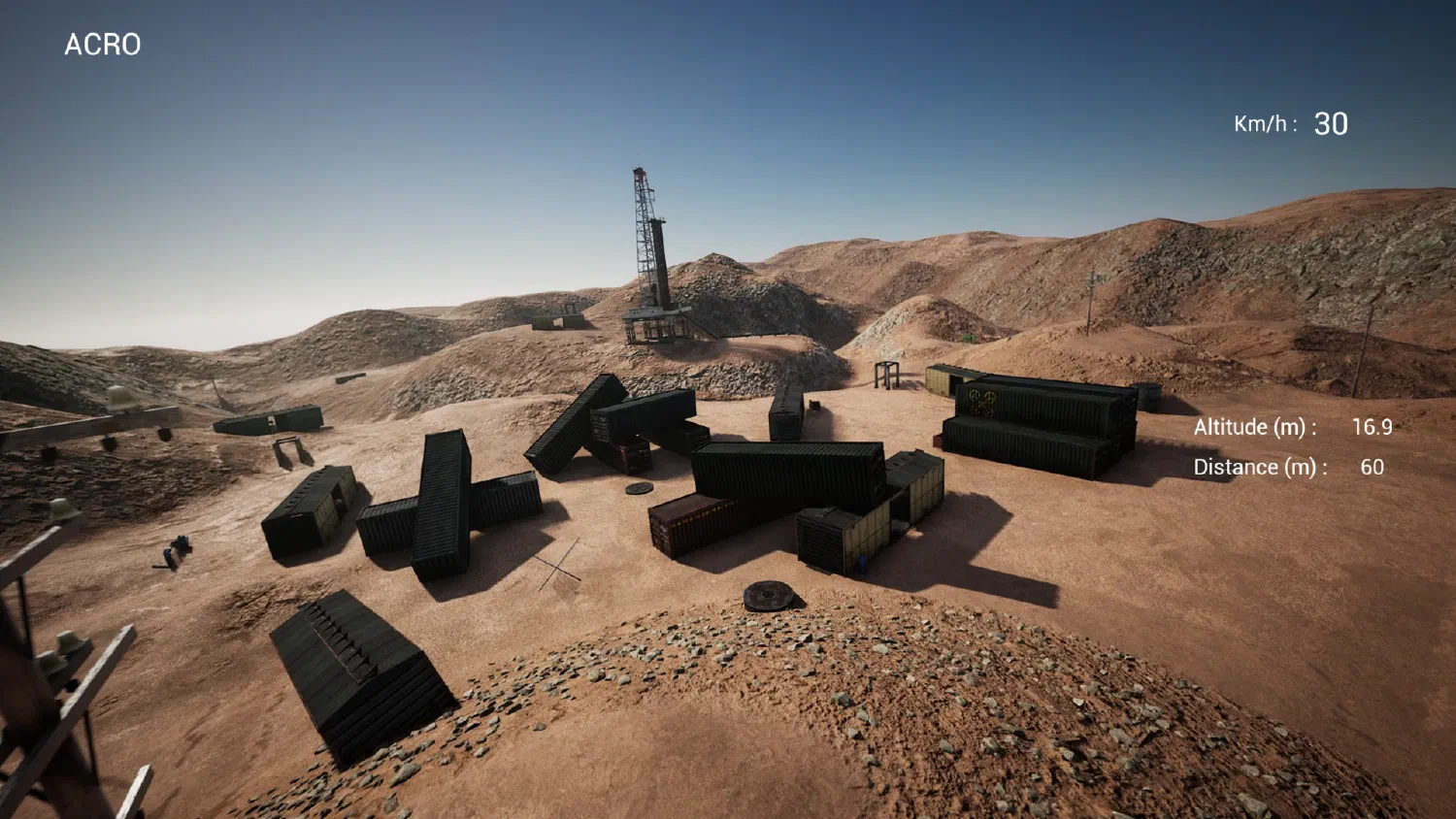
FPV flying is a skill built in stages. Taking a pilot from no experience to tactical operations in a single step is rarely effective, each stage needs to establish the skills required for the next.
Our training pathway progressively develops aircraft control, confidence, platform familiarity and mission-specific skills, taking pilots from simulator training through to operational flying.
Why a Staged Pathway Matters
FPV requires pilots to control a fast-moving aircraft using a first-person video feed, often at speed and in demanding environments. Developing reliable control and decision-making takes time and repetition.
Moving onto an operational platform before the fundamentals are established can result in unnecessary equipment loss, slower progression and inconsistent performance.
A structured pathway allows each skill to become established before additional complexity is introduced.
Stage 1: Simulator Training
Every pilot starts here, regardless of previous experience. Simulator training develops core stick control and aircraft handling without the cost or risk associated with crashing a real aircraft.
- Goal: Build muscle memory, throttle control and orientation awareness
- Typical duration: Until basic manoeuvres and orientation recovery are consistent
- Equipment: FPV simulator and standard FPV controller
Simulator training allows pilots to make mistakes, repeat exercises and build confidence before progressing to live flight.
Stage 2: First Real Flights - 5" Platform
Once a pilot demonstrates consistent simulator control, they progress to a real 5" FPV drone.
The 5" is an effective training platform because it is durable, relatively inexpensive to repair and provides a good foundation for developing real-world flying skills.
- Goal: Transfer simulator skills to a real aircraft
- Skills covered: Take-off and landing, hovering, basic acro, FPV transition, line-of-sight flying and orientation recovery
- Platform: 5" FPV drone
This stage introduces real-world factors including wind, latency, aircraft response and the consequences of mistakes.
Stage 3: Building Range and Payload Awareness - 7"/10"
With the fundamentals established, pilots progress to larger platforms — typically a 7" or directly to a 10".
This stage introduces increased range, greater aircraft mass and the additional considerations involved in flying with sensors or payloads.
- Goal: Develop range, precision and payload awareness
- Skills covered: Long-range navigation, precision flying, IR/thermal camera operation and basic payload handling
- Platform: 7" or 10" FPV drone
By the end of this stage, pilots should be comfortable operating the platform most relevant to their intended role.
Stage 4: Tactical Operations
The final training stage moves beyond aircraft control and introduces mission-focused flying under realistic operational constraints.
The emphasis shifts from simply flying the aircraft to using it effectively as part of a wider task or team.
- Goal: Apply flying skills to mission execution
- Skills covered: Degraded or disrupted communications, coordinated multi-drone tasking, payload delivery, operating alongside ground teams and decision-making under pressure
- Platform: Mission-specific airframe, typically 10"/13" or another specialist platform depending on role
Pilots can then specialise according to their intended role, such as long-range ISR, payload operations, specialist systems or other mission-specific applications.
Stage 5: Ongoing Proficiency
Tactical readiness is not a one-time qualification.
Flying skills require regular practice, while aircraft, payloads and operating procedures continue to evolve. Recurrent training, simulator refreshers and regular live flight maintain pilot currency and ensure skills remain reliable when required.
Pathway Summary
| Stage | Platform | Focus |
|---|---|---|
| 1. Simulator | Software | Core stick control, orientation |
| 2. First flights | 5" | Real-world control, crash recovery |
| 3. Range & payload | 7"/10" | Long-range flying, sensor/payload basics |
| 4. Tactical operations | 10"/13"/specialist | Mission execution under real constraints |
| 5. Ongoing proficiency | Mission platform | Recurrent training, currency |
FAQ
How long does it take to go from beginner to tactical-ready? It varies according to the individual, previous experience, available flight time and required capability. Simulator training followed by progressive live flight provides a stronger foundation than attempting to accelerate through the stages.
Do pilots need a new drone at every stage? Not necessarily. The progression is based on capability rather than simply changing aircraft. In particular, 7" and 10" platforms share many flight characteristics, allowing pilots to transition without starting again.
Can experienced hobbyist FPV pilots go straight to tactical training? Previous FPV experience provides a strong foundation, but tactical flying introduces additional skills including payload handling, mission planning, operating with ground teams and flying in more demanding conditions. Experienced pilots can therefore be assessed and placed at the appropriate stage rather than automatically starting from the beginning.
What happens if a pilot struggles at a particular stage? Training remains focused on the skills required at that stage until the pilot is ready to progress. The aim is to build reliable, repeatable performance rather than simply move through a fixed timetable.
Firefly UAV delivers structured FPV pilot training from beginner through to tactical operations, using our own training and operational platforms across the 5"–13" range.